
Books mentioned in “Machiavelli is the most misunderstood thinker of all time – Ada Palmer”

The Prince
Dwarkesh opens by noting Machiavelli wrote and dedicated The Prince to Lorenzo di Piero de' Medici in 1513.
Get it on Amazon →
Discourses on Livy
Referenced as 'The Discourses' regarding Machiavelli's justification of checks and balances, later named in full.
Get it on Amazon →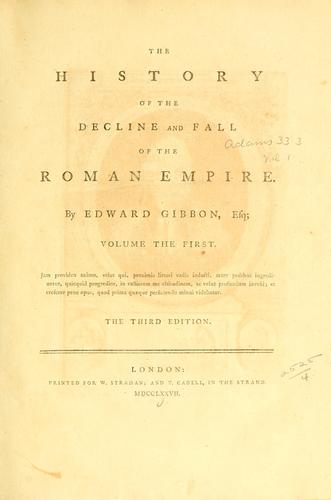
The History of the Decline and Fall of the Roman Empire
Cited as saying there was never a better time for humanity than the era of the five good emperors.
Get it on Amazon →
The Divine Comedy (Inferno / Paradiso)
Discussed for placing Emperor Trajan in Paradiso, and later for damning Florentines and lovers Paolo and Francesca in Inferno.
Get it on Amazon →Florentine Histories (History of Florence)
Mentioned among Machiavelli's publicly circulated works, unlike the secretive Prince.
Get it on Amazon →
On the Nature of Things (De rerum natura)
Used as an analogy for a text that drifted in obscurity before suddenly becoming relevant centuries later.
Find it on Amazon →
Leviathan
Its publication is credited with reviving interest in Machiavelli as scholars sought to refute Hobbes.
Get it on Amazon →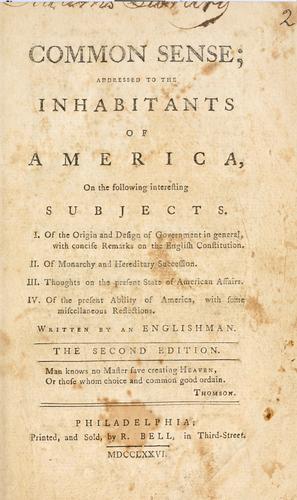
Common Sense
Cited to illustrate a utilitarian, separation-of-church-and-state view of religion's civic usefulness.
Get it on Amazon →
Oration on the Dignity of Man
Named as one of the few Renaissance works later historians treated as genuinely original.
Get it on Amazon →
How to Win Friends and Influence People
Used as a contrast: The Prince shouldn't be shelved next to it since it's about keeping power, not self-advancement.
Get it on Amazon →Possible passing references
- Untitled book on Annius of Viterbo — Anthony (Tony) Grafton